
What Kind of Therapy Do I Need? A Simple Guide to Finding the Right Fit
April 21, 2026
How Your Mental Health Impacts Your Everyday Life
May 19, 2026
Women’s health is often discussed in terms of physical health, but emotional and mental well-being are equally important. Throughout life, women experience many transitions that can affect mood, self-esteem, relationships, and general well-being. From parenting stress to body image concerns to hormonal shifts during perimenopause and menopause, these experiences may shape mental health in powerful ways.
Recognizing the link between women’s health and mental health helps women identify their experiences, seek help, and feel supported.
How Women’s Mental Health Changes Through Life
Mental and behavioral health challenges can show up at any stage of life. Some are tied to outside pressures, while others may be affected by hormonal changes, identity shifts, or major life transitions.
Many women experience stress related to balancing relationships, careers, caregiving, and personal needs. Over time, this can lead to anxiety, burnout, or depression if left unaddressed.
Self-Identity and Women’s Mental Health
A woman’s sense of identity can shift many times throughout life. Becoming a partner, parent, caregiver, or going through career changes can all affect how someone sees themselves.
Questions like Who am I outside of caring for others? or Why don’t I feel like myself anymore? They are common, especially during major life transitions.
Struggles with self-identity can contribute to:
- Low self-worth
- Anxiety or depression
- People-pleasing behaviors
- Difficulty creating boundaries
- Feeling disconnected from yourself
For many women, identity challenges can show up during young adulthood, motherhood, midlife, and even empty nest years.
Therapy helps women explore identity, build confidence, and reconnect with their needs and goals.
Body Dissatisfaction and Emotional Well-Being
Body dissatisfaction in women is a major behavioral health concern. Idealized beauty standards, aging, weight changes, pregnancy, and hormonal shifts all affect body image.
Negative body image can impact more than confidence. It may contribute to:
- Anxiety
- Depression
- Disordered eating
- Obsessive thoughts about food or appearance
- Social withdrawal
- Low self-esteem
For some women, body dissatisfaction begins early. For others, it may increase during pregnancy, the postpartum period, or midlife as the body naturally changes.
Building a healthier body relationship benefits physical and emotional health. Counseling helps when body image concerns interrupt daily life.
Parenting and Mental Health
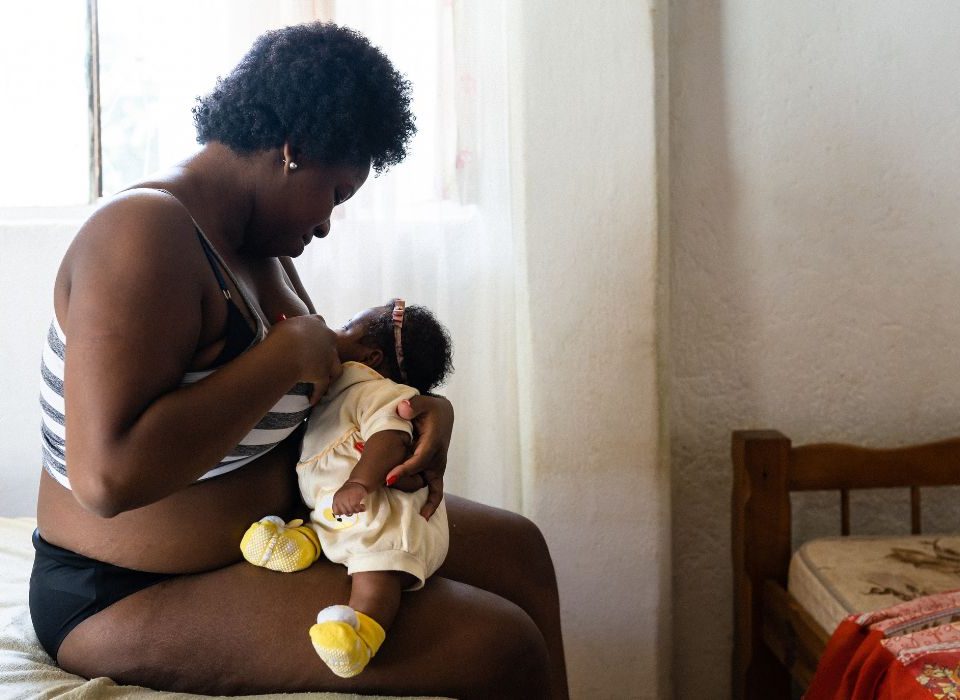
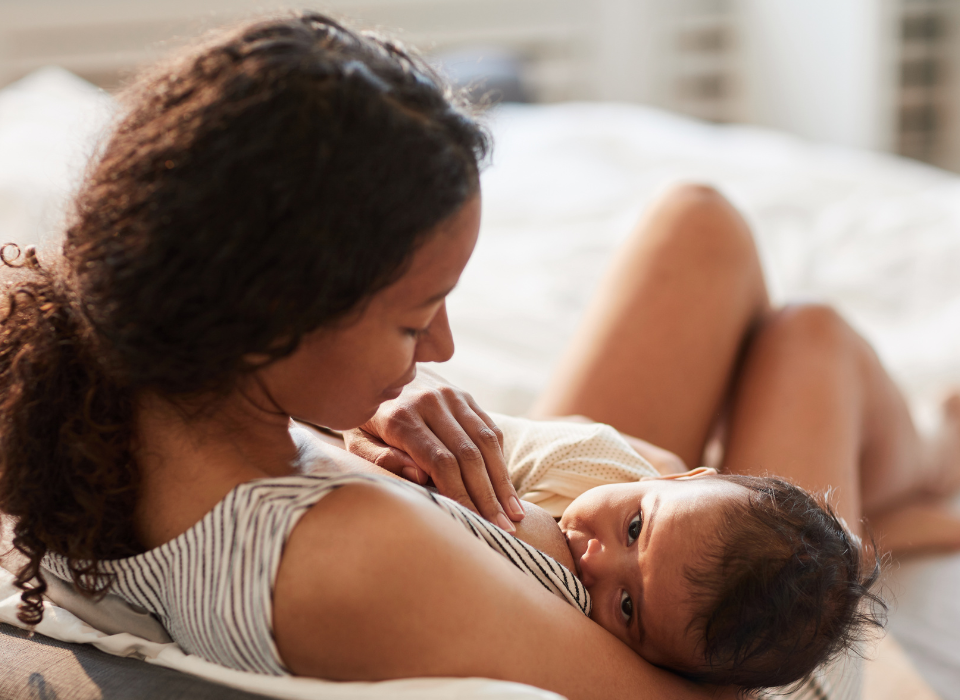
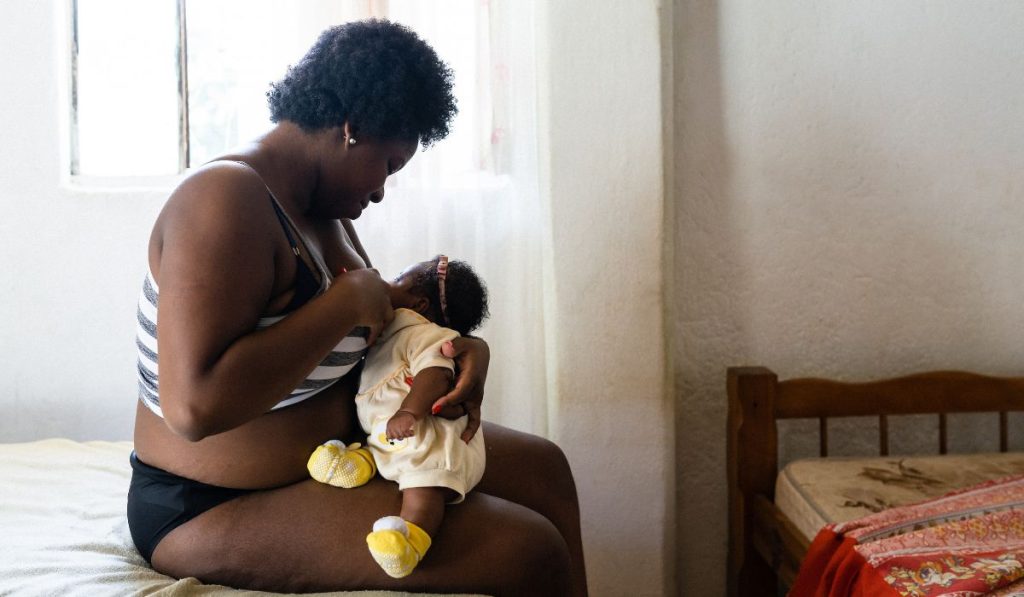
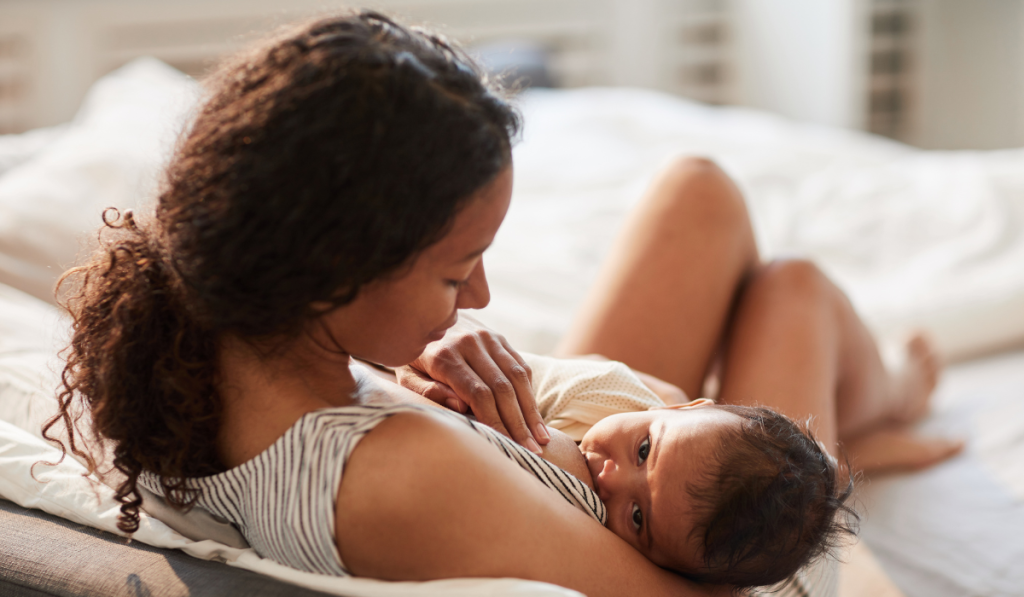
Parenting can be gratifying but also overwhelming. The mental load many women carry—juggling schedules, emotions, responsibilities, and caregiving—can take a toll.
How parenting affects mental health is an important issue that often goes unspoken.
Common challenges may include:
- Chronic stress
- Mom guilt
- Anxiety about doing enough
- Burnout and emotional exhaustion
- Relationship strain
- Loss of personal identity
Parenting can also bring up past trauma, perfectionism, or fears that increase emotional distress.
Support matters. Therapy, support groups, and healthy boundaries can help women manage parenting stress while also caring for themselves.
Perimenopause and Mental Health
Many people ask if perimenopause can cause anxiety or depression. The answer: yes.
Perimenopause, the transition leading up to menopause, often begins in the 40s, though it can start earlier. During this time, fluctuating hormone levels can affect both the body and the mind.
Common perimenopause symptoms may include:
- Mood swings
- Anxiety
- Irritability
- Trouble sleeping
- Brain fog
- Fatigue
- Increased stress sensitivity
For some, these changes can feel confusing, especially if mental health symptoms are new.
Hormonal changes may play a role, but life stressors often overlap during this stage too—aging parents, teenage children, relationship changes, or career shifts.
Recognizing perimenopause’s mental health impact helps women seek support sooner.
Menopause and Emotional Health
Menopause and mental health are closely linked, but emotional symptoms are often overlooked.
Many women wonder if menopause affects mental health. It can.
In addition to physical symptoms, menopause may bring emotional changes such as:
- Sadness or grief related to aging
- Increased anxiety
- Changes in self-confidence
- Body image struggles
- Sleep-related mood issues
- Feelings tied to identity and life purpose
For some, menopause feels like a loss; for others, it’s a time of growth.
Support during menopause may include therapy, lifestyle changes, medical care, and stress management.
Why Women’s Behavioral Health Support Matters
Women often push aside their own emotional struggles to care for others. But neglecting stress, anxiety, or identity concerns can make these issues more difficult to manage over time.
Seeking support means your mental health matters.
Behavioral health support can help women:
- Manage anxiety and depression
- Improve self-esteem
- Navigate parenting stress
- Heal body image concerns
- Adjust to perimenopause and menopause
- Strengthen coping skills through life transitions
Whether challenges are new or ongoing, support can help.
Caring for Women’s Mental Health at Every Stage
There is no single way to experience womanhood, aging, or mental health. Each journey is one of a kind.
But whether you’re facing body image issues, parenting stress, self-identity struggles, perimenopause, or menopause, your emotional health deserves attention.
Women’s health is about more than physical symptoms. It includes how you feel, cope, connect, and care for yourself through every stage of life.
If you wonder how your experiences affect your mental health, consider seeking support. Healing is possible at any age.
_________________________________________________________________________________
Looking for treatment for an eating disorder, anxiety, depression, trauma, or postpartum mood disorder?
Evolve Counseling Services is a specialized team of Licensed Therapists providing treatment in Paoli.