
Women’s Health and Mental Health: Understanding the Emotional Side of Life’s Changes
May 5, 2026
Men’s Mental Health: Breaking the Silence Around Struggle and Vulnerability
June 9, 2026
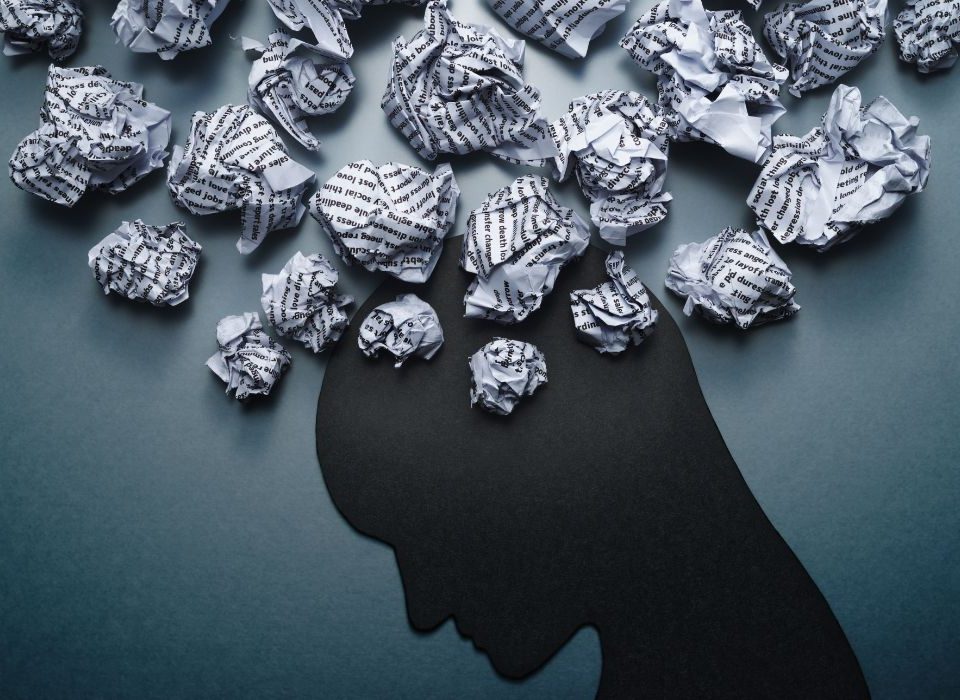
Mental health affects almost every part of our lives. From waking up to going to bed, our thoughts, feelings, stress, and how we handle challenges shape our daily experiences. For example, someone who wakes up already feeling anxious or overwhelmed may find it difficult to get out of bed, rush through breakfast, or focus at work. Even if we do not notice it, our mental health can influence our relationships, work, physical health, motivation, confidence, and overall quality of life.
When people take care of their mental health, they often feel more balanced and resilient and have healthier relationships. But if mental health problems go untreated or symptoms get worse, the effects can go beyond just emotions. Conditions like anxiety, depression, and trauma can change how someone thinks, feels, and acts, making daily life harder.
Learning how mental health affects daily life can help people notice when they need support and remind them to take care of their mental well-being before things get worse. A simple way to start is by asking yourself: “How have I been feeling lately, and have I noticed any changes in my mood, energy, or motivation?” Checking in with yourself regularly makes it easier to spot early signs that you might need some extra support.
Mental Health Impacts More Than Emotions
Many people believe mental health is just about emotions or mood, but it affects much more. Mental health can influence:
- Decision-making
- Physical health
- Sleep quality
- Productivity
- Relationships
- Self-esteem
- Energy levels
- Stress management
- Communication
- Motivation
Mental health is closely linked to how our brain and body work together. When people feel mentally well, they can usually handle stress, maintain routines, and cope with challenges in healthy ways. But when mental health problems come up, even simple daily tasks can start to feel overwhelming.
The Positive Effects of Good Mental Health
Taking care of your mental health and getting support when needed brings many important mental health benefits.
Better Relationships
Good mental health can help people communicate more effectively, be more patient, and better control their emotions. When someone feels emotionally balanced, it is often easier to build trust, keep friendships, and set healthy boundaries.
For example, someone managing stress effectively may be more present with their family, more engaged in conversations, and better able to resolve conflicts calmly.
Improved Productivity and Focus
Mental wellness can also boost concentration, memory, and motivation. When people feel mentally healthy, they are usually better able to finish tasks, handle responsibilities, and stay organized.
Employees with strong mental well-being may experience:
- Better time management
- Increased creativity
- Higher work performance
- Improved problem-solving skills
Students may also notice better academic performance when their mental health is supported. Positive mental health can contribute to:
- Better sleep
- Lower stress levels
- Improved immune system function
- Balanced eating habits
- Balanced movement
When people feel emotionally well, they are more likely to take care of themselves and stick to healthy routines.
Increased Resilience
Everyone meets challenges, setbacks, and stress at times. Good mental health does not mean you never struggle; it means you can cope better when problems come up.
Resilience can help people:
- Adapt to change
- Recover from setbacks
- Manage stress effectively
- Ask for help when needed
- Maintain hope during difficult times
How Poor Mental Health Impacts Daily Life
While good mental health can help with daily life, untreated mental health problems can make it much harder to handle everyday tasks and feel well. These effects can show up slowly or suddenly, depending on the person and the condition.
Depression and Loss of Motivation
Depression is one of the most common mental health problems that affects daily life. Feeling sad is normal, but depression often means feeling hopeless, empty, and tired for a long time. People with depression may struggle with:
- Getting out of bed
- Completing household chores
- Maintaining hygiene
- Attending work or school
- Participating in social activities
- Finding enjoyment in hobbies
Tasks that used to feel easy can start to feel exhausting. If depression is not treated, it can lead to feeling isolated and having worse physical health over time.
Constant Stress
Anxiety disorders can affect both the mind and body. People with anxiety often worry too much, have racing thoughts, or feel physical symptoms like a fast heartbeat, tense muscles, and trouble sleeping.
In terms of how mental health affects daily life, anxiety may interfere with:
- Work performance
- Social interactions
- Decision-making
- Concentration
- Sleep quality
For example, someone with social anxiety might avoid gatherings or meetings because they fear being judged. Someone with generalized anxiety disorder may often feel overwhelmed by daily responsibilities.
Trauma and PTSD
Trauma-related disorders like Post-Traumatic Stress Disorder (PTSD) can affect how safe and emotionally stable a person feels, even long after the traumatic event is over.
Individuals with PTSD may experience:
- Flashbacks
- Nightmares
- Hypervigilance
- Emotional deadness
- Irritability
- Difficulty trusting others
These symptoms can make it hard to keep up with relationships, work, and daily routines. Someone with untreated trauma might avoid places, people, or situations that remind them of painful experiences.
Bipolar Disorder and Emotional Extremes
Bipolar disorder causes big mood changes that can affect daily life. In depressive episodes, a person may feel very tired and hopeless. In manic or hypomanic episodes, they might act impulsively, spend too much, or make risky choices.
These emotional highs and lows can affect:
- Financial stability
- Relationships
- Employment
- Sleep patterns
- Personal safety
Without treatment, bipolar disorder can make it very hard to keep a steady routine in daily life.
Eating Disorders and Physical Health Consequences
Eating disorders affect mental and physical health. Conditions like anorexia, bulimia, and binge eating disorder often involve a distorted body image and unhealthy ways of coping.
These disorders can impact:
- Energy levels
- Heart health
- Digestion
- Self-esteem
- Social interactions
Someone with an eating disorder might avoid others during meals, think about food all the time, or have serious physical problems if the disorder is not treated.
Mental Health Also Affects Physical Symptoms
One thing people often miss about mental health is how it affects the body. Emotional distress can cause real physical symptoms, such as:
- Headaches
- Fatigue
- Digestive issues
- Muscle tension
- Chronic pain
- Sleep disturbances
Chronic stress and untreated mental health problems can also raise the risk of long-term health issues like heart disease, high blood pressure, and a weaker immune system.
Recognizing When Mental Health Support May Be Needed
Everyone feels stressed or has emotional struggles sometimes. But it is important to get help if symptoms:
- Persist for weeks or months
- Interfere with work, school, or relationships
- Affect sleep or appetite
- Cause withdrawal from loved ones
- Lead to hopelessness or loss of motivation
- Feel difficult to manage alone
Asking for help is not a sign of weakness. Therapy, counseling, medication, and support from others can all help improve mental health and bring back stability.
Prioritizing Mental Health Every Day
Mental health touches almost every part of life: emotions, body, social life, and work. Knowing how mental health affects daily life can help people see why caring for their emotional well-being is just as important as looking after their physical health.
Untreated mental health problems can cause big challenges, but getting support and treatment can really help. Focusing on self-care, healthy coping skills, and professional help when needed can enhance overall well-being and help people enjoy the long-term benefits of emotional balance and support.
_________________________________________________________________________________
Looking for treatment for an eating disorder, anxiety, depression, trauma, or postpartum mood disorder?
Evolve Counseling Services is a specialized team of Licensed Therapists providing treatment in Paoli.