

Why Access to Mental Health Care Matters for Marginalized Communities
July 21, 2026
Preparing for Back to School When Living With a Mental Health Disorder
August 18, 2026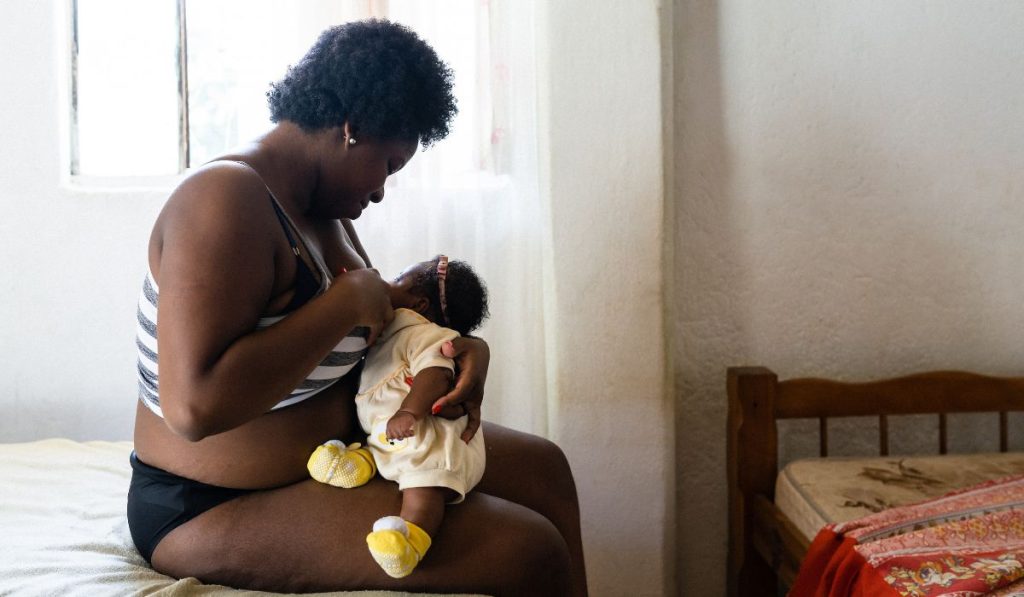
Breastfeeding is often seen as an important part of being a mother. People talk a lot about nutrition, bonding, and the physical benefits for both mother and baby. However, the mental health of mothers is not always discussed as much as it should be.
Some mothers find breastfeeding to be a positive and significant experience. Others may feel stress, anxiety, sadness, frustration, or guilt. Learning about how breastfeeding and mental health are connected can help mothers feel less alone and more supported.
The Pressure to Breastfeed
Many new mothers feel pressure to breastfeed. They might hear that breastfeeding is the “best” choice or feel expected to do it for a certain length of time. While breastfeeding has benefits, every mother and baby is different and has their own needs.
If breastfeeding does not go as planned, mothers might blame themselves. Problems with milk supply, latching, pain, pumping, or a baby who has trouble breastfeeding can make things stressful. Some mothers also feel guilty if they stop breastfeeding or use formula.
These feelings can really affect a mother’s mental health. Instead of feeling proud, some mothers may start to feel like they are failing. It is important to remember that the way a baby is fed does not determine whether someone is a good mother.
How Breastfeeding Can Affect Mental Health
Breastfeeding affects each mother’s mental health in different ways. Hormonal changes after birth can change mood, sleep, and emotions. Breastfeeding also takes a lot of time and energy.
New mothers might spend hours each day breastfeeding or pumping. When you add in broken sleep, physical discomfort, chores, and caring for a newborn, it can feel overwhelming.
Some mothers feel more anxious or worried. Others might feel irritable, emotionally tired, or disconnected from themselves. For mothers who already have depression or anxiety, these problems can feel even harder.
Sometimes, breastfeeding can bring up unexpected emotions. Some mothers suddenly feel sad, anxious, or uncomfortable when their milk lets down. These feelings can come and go quickly. Even though this can be confusing, mothers should not feel ashamed for having these feelings.
Motherhood Does Not Have to Look One Way
There are many expectations around motherhood. Mothers might feel pressure to do everything “right,” from feeding their baby to keeping up at home and going back to work. These pressures can make it hard to notice when they need help.
Looking after your mental health is not selfish. In fact, caring for your mental health is an important part of taking care of yourself and your family.
There is no single right way to experience motherhood or to feed a baby. Some mothers breastfeed only. Others pump, use formula, or combine both. What matters most is discovering what suits both mother and baby.
When to Reach Out for Support
It is common to feel tired, emotional, or overwhelmed after having a baby. But if feelings of sadness, anxiety, guilt, hopelessness, or trouble coping last, they should not be ignored.
Talking to a mental health professional can give you a safe space to work through these feelings without judgment. Support from a partner, family, friends, a lactation expert, or a healthcare provider can also help.
Breastfeeding can be an important part of life after birth, but it is just one part. Mothers also deserve support for their emotional health. Focusing on mental health and understanding the challenges of breastfeeding can help mothers feel more confident, supported, and understood along the way.
_________________________________________________________________________________
Looking for treatment for an eating disorder, anxiety, depression, trauma, or postpartum mood disorder?
Evolve Counseling Services is a specialized team of Licensed Therapists providing treatment in Paoli.